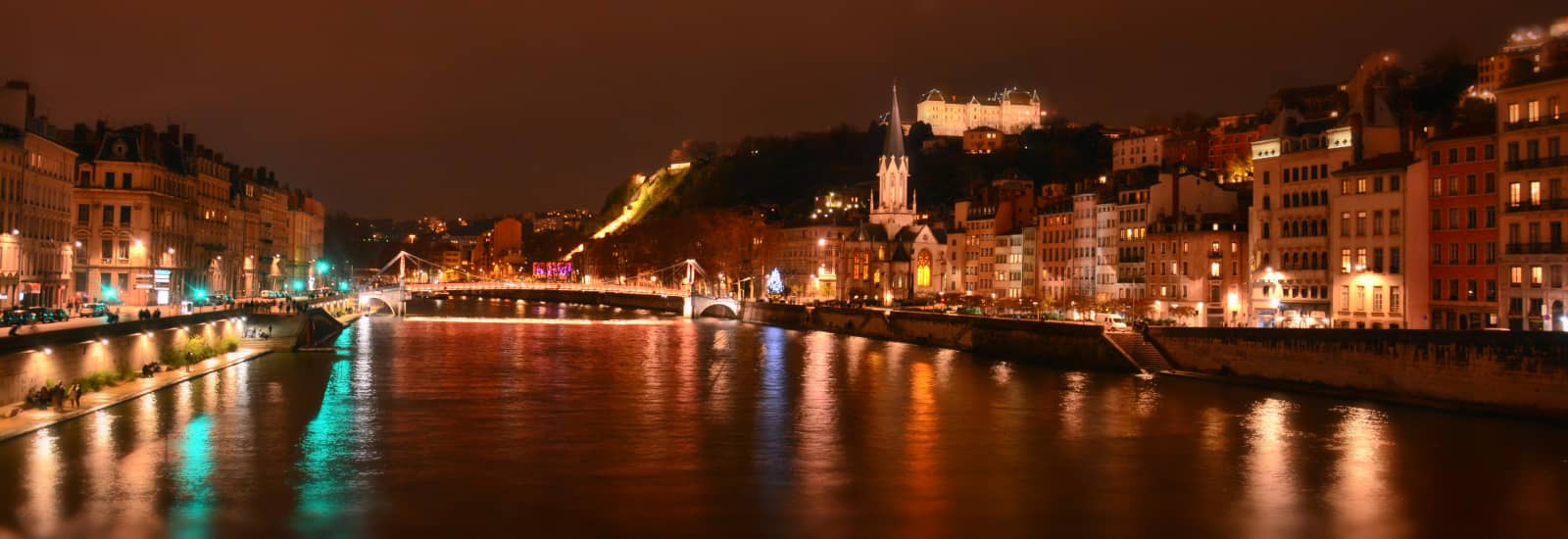
How to Prepare for the SaintéLyon?
Preparing for the SaintéLyon without the night-time blues
How to prepare for the SaintéLyon? 80 km of night, mud and cold between Saint-Étienne and Lyon: training, gear and strategy, we light the way for you.
Why shouldn't you prepare for the SaintéLyon like a marathon? 🌙
Born in 1951, the SaintéLyon proudly bears its nickname as the oldest trail race in France. Meet up in late November or early December in Saint-Étienne 💚, for a finish at the Halle Tony Garnier in Lyon in the early morning ⭐️. The Monts du Lyonnais never climb very high, they rather string together a series of rollercoaster hills: a first-class leg-breaker.
The trap? The fast stretches of tarmac appeal to marathon fans, who then discover muddy trails, possible frost and temperatures close to 0°C 🥶. You're running a winter ultra-trail, with a sleepless night as your backpack.
Preparing for the SaintéLyon: which training plan should you follow? ⛰️
Volume before speed
Plan for 12 to 16 weeks of specific preparation, based on three to five runs per week. Having a marathon or a 40 km trail in your legs will give you a solid foundation before taking on the queen distance 👑. Your long run will gradually build up to 4 or 5 hours of effort. Add one or two tough weekends: long run on Saturday, then again on Sunday on tired legs. That way you'll learn to run on empty, exactly as you will at km 60.
Elevation gain, especially on the descents
Saint-Étienne sits higher than Lyon: on the SaintéLyon, you'll therefore descend more than you climb. Your quadriceps pay the bill 🦵. Include hill repeats, long technical descents and two strength sessions per week (squats, lunges, core work). To find ideas for workouts and training trails, head over to MyTrails.
The night, your new teammate
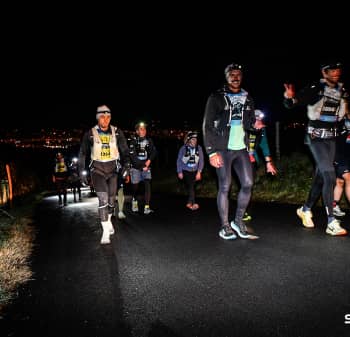
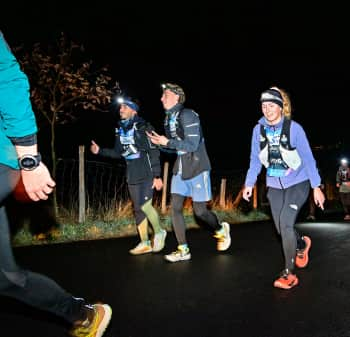
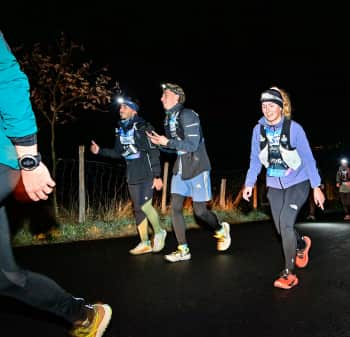
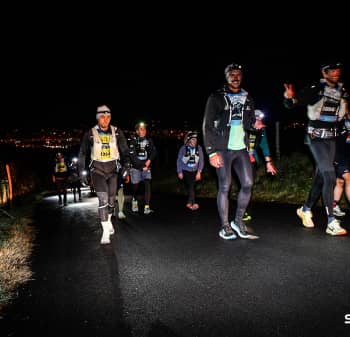
Plan at least three or four night runs with a headlamp, including one that starts around 10 p.m. to set your internal clock. On a trail at night, roots change size and your stride gets shorter 🔦. On race day, an afternoon nap will limit the damage.
Gear, aid stations, mindset: how to finish the oldest trail race? 🎒
Gear, tested before the race
The rules require a headlamp with a spare battery or two headlamps and an emergency blanket. Add shoes with grippy lugs, gloves, a beanie and a windbreaker. Golden rule: nothing new on race day, everything goes through a long run first 😉.
Fueling, even when you're not hungry
The cold kills thirst and appetite. Eat every 30 to 45 minutes and drink regularly, even when your body just wants its duvet 🍫. Note the aid stations in advance: the race passes through Saint-Christo-en-Jarez (km 17), Sainte-Catherine and then Soucieu-en-Jarrest (km 55).
The strategy: start slowly, finish standing
The first kilometers are swarming with headlamps and bottlenecks lurk from the first singletracks. Start conservatively, and break the race into stretches from aid station to aid station ⏱️. The section near the remains of the Gier aqueduct, near Chaponost, often marks the mental wake-up call before the final push toward Lyon.
Your SaintéLyon is won in November 🍂, but it's built from the end of summer ☀️. Not ready for 80 km? The shorter formats (SaintéTic, SaintéSprint, SaintExpress) or the relay will give you the atmosphere without the full night. At the finish, a Lyon bouchon restaurant awaits to recharge your batteries 🍷.
This could also be of interest to you





 Lyon(69)
A next-gen platform helping sports enthusiasts of all levels discover territories and heritage through races tailored to them.
Made in France, between Lyon and Nantes