
Races in the Aosta Valley

Upcoming races in the Aosta Valley
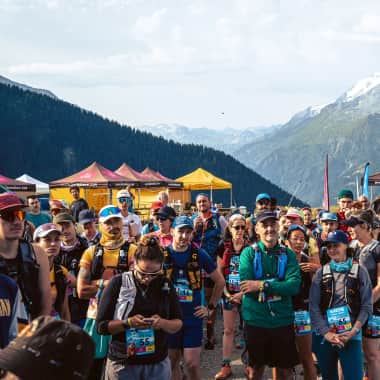

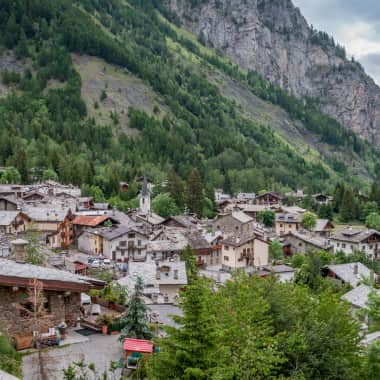


In the valley oh oh
Italy’s smallest region speaks French, collects 4,000-metre peaks and lives to the rhythm of trail running. Castles, ibex and trails that climb all the time ⛰️
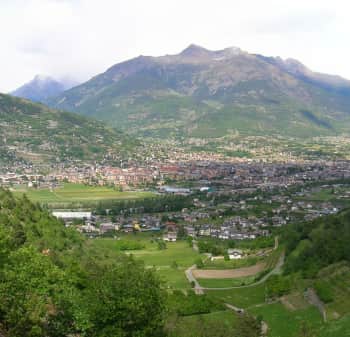
Nestled between France and Switzerland, the Aosta Valley holds the title of the smallest region in Italy, without ever feeling small for all that. People speak Italian, French and Valdôtain patois here, sometimes in the same sentence, which makes the culture shock pleasantly gentle when you arrive from across the border. Aosta plays the role of capital, with its Arch of Augustus standing there for twenty centuries, earning it the nickname Rome of the Alps. Courmayeur keeps watch at the foot of Mont Blanc, on the sunny side. Châtillon and Saint-Vincent guard the central valley, between casino and thermal baths. Pila overlooks Aosta from its perched balcony, reachable by gondola when your legs say stop 🇮🇹.
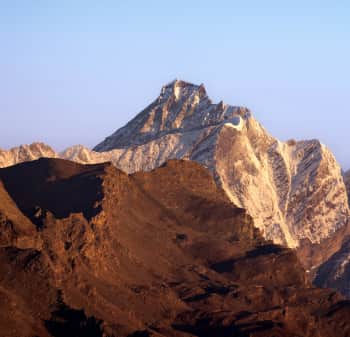
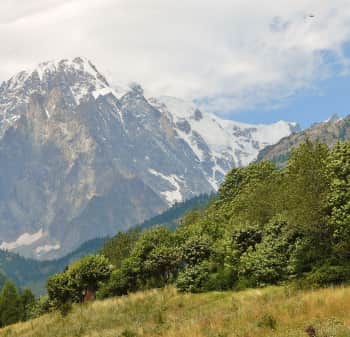
The Dora Baltea carves the main axis, and everything else heads upward. Thirteen side valleys open on either side, each with its own character, stone hamlets and alpine pastures. Four giants frame the scene: Mont Blanc to the west, the Matterhorn to the north, Monte Rosa to the east, and the Gran Paradiso right in the middle. No other Alpine region packs so many 4,000-metre peaks into such a small area. The passes tell the rest of the story, starting with the Great St Bernard Pass, crossed by Hannibal according to some and by Napoleon according to the records. Suffice to say that running in the mountains here is a local tradition 🏔️.
The Gran Paradiso National Park covers the south of the region, Italy’s first national park, created in 1922 to save the Alpine ibex from extinction. The gamble paid off: several thousand individuals now graze the slopes, often just a few metres from the trails. Marmots, chamois and bearded vultures round out the welcome committee 🦅. As for the season, it calls the shots with no argument. High routes stay under snow late into the year, which means almost all trail running in the Aosta Valley is concentrated between June and September. July and August bring crystal-clear mornings and stormy afternoons, so starting early remains the best option. September rewards the patient with larches turning to gold and finally cool air ❄️.
The race calendar in the Aosta Valley reads like a list of cult classics. TOR X, formerly Tor des Géants, sends its runners around the Haute Routes for several days and nights, with no mandatory stages. The Gran Trail Courmayeur loops around the massif in July, with Mont Blanc as a constant backdrop. The Monte Rosa Walserwaeg by UTMB® follows the old paths of the Walser, a German-speaking people settled at the foot of Monte Rosa since the Middle Ages. The VTMB offers a more compact Courmayeur version at the start of summer. La Thuile Trail – Memorial Edo Camardella heads toward the Little St Bernard Pass from La Thuile. The Ultramarathon du Fallère climbs above Saint-Oyen in the middle of August. The Quatrail des Alpages crosses the pastures of Quart in spring. The RunThrough Trails Pila-Aoste links Pila’s balcony to the capital in late June. The MDS Crazy Loops bet on timed loops from three to twenty-four hours, the ideal format to test your mental toughness 🤯. Want to broaden your playground? The Alps continue on the Piedmont side, and the Mont Blanc Tunnel puts Chamonix an hour’s drive away.
A race in the Aosta Valley rarely ends without a hearty plate. Fontina melts into polenta concia, Arnad lard lands on rye bread, and motzetta dries quietly in high-altitude cellars 🧀. Génépi* and coffee à la valdôtaine, served in a wooden grolla with several spouts, round off the meal with friends (in moderation—the climb is waiting tomorrow). On the champions’ side, Franco Collé remains the local benchmark: the Valdôtain has won the Tor des Géants three times, and his record still keeps the valley in awe. The cross-country skier Federico Pellegrino, born in Aosta and raised in Nus, took the sprint world title in 2017 before going on to compete in four Olympics 🥇. Heritage keeps pace too, with the Fénis Castle and its crenellated towers, or the Fort of Bard perched on its rocky lock at the entrance to the region. So, more of a morning loop or a multi-day crossing? Pick your format among the area’s trails and ultra-trails—the valley will take care of the rest 👟.
*Alcohol abuse is dangerous for your health; consume in moderation
 See all races
Race calendar in the Aosta Valley
These great race spots should also interest you


Other places are waiting for you


This could also be of interest to you




A next-gen platform helping sports enthusiasts of all levels discover territories and heritage through races tailored to them.
Made in France, between Lyon and Nantes