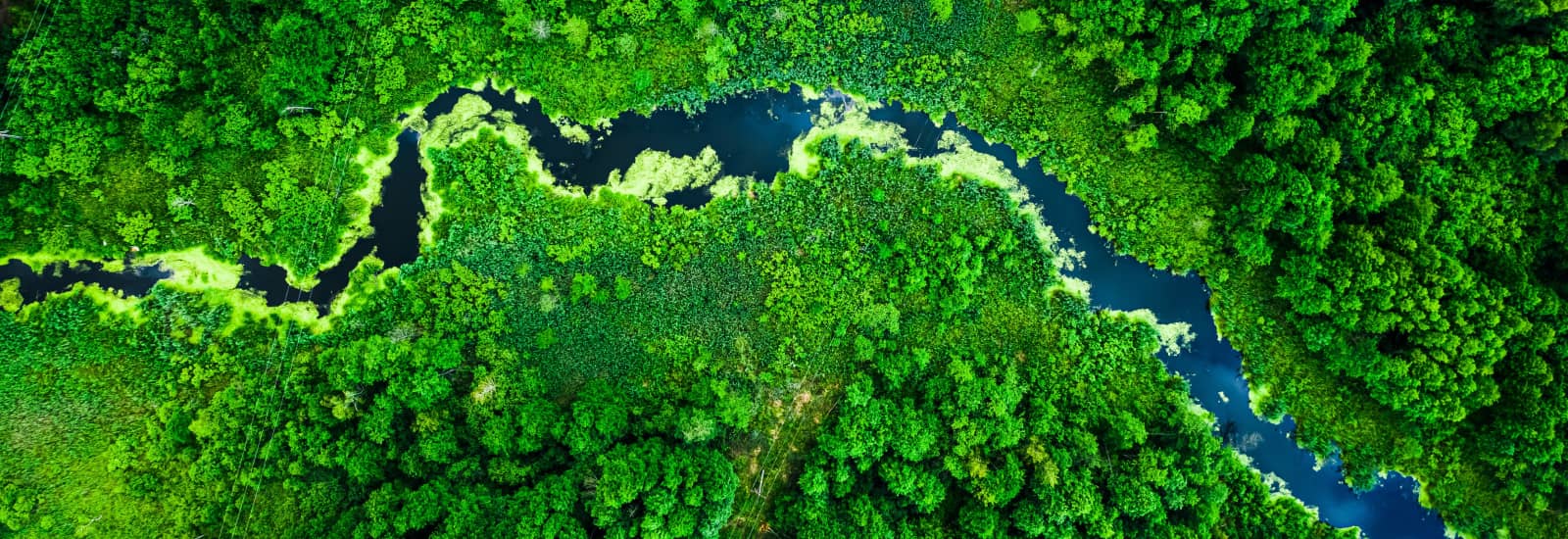
Races committed to the planet

The next races committed to the planet

 Colmar(68)
 Tondabayashi
 Osaka
Osaka Kanazawa
There’s a bib option that comes with a clear conscience as a bonus 🌱. Here, no plastic cups littering the asphalt after the runners pass by, no pointless over-packaging for the finisher medal: just an organization that has decided to run as fast as possible toward an environmental impact as low as possible.
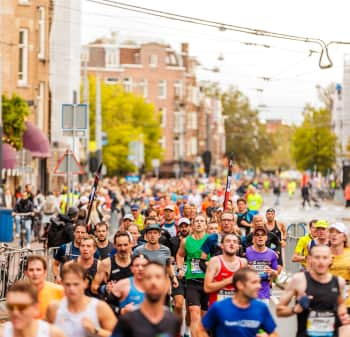
A race committed to the planet is never just a marketing slogan slapped on a poster. Reusable or deposit-return cups, bulk aid stations rather than individual portions, widespread recycling at the finish line: every logistical detail is redesigned to reduce the event’s footprint, without ever compromising the runner’s experience. The sporting sensations change little, but the mindset transforms completely. You no longer run only for your own time ⏱️: you take part, in your own way, in a broader movement. This collective dimension can be felt in the atmosphere of the start/finish villages, often brought to life by awareness stands, zero-waste workshops, or partnerships with local associations for nature protection.
The conditions and specificities of these events are mainly about logistical organization. Shared shuttles or encouraged carpooling to limit travel-related emissions, carbon offsetting sometimes offered at registration, local and seasonal products at aid stations rather than far-flung imports: the race itself doesn’t change terrain, but everything around it is rethought.
In France 🇫🇷, the Salomon EcoTrail Paris is seen as a pioneer of the genre, with a course that crosses the woods of the Île-de-France region all the way to the capital, while applying a strict environmental charter since its creation. In Geneva, just near the border, the EcoTrail Genève applies the same principles on the Swiss heights, complemented on the road side by the Course du Mandement, in Satigny, in the heart of the Genevan vineyard.
In Scandinavia, ecological commitment is almost part of the local running culture. The EcoTrail d'Oslo, in Norway 🇳🇴, runs through the forests surrounding the capital, while the Stockholm Ecotrail, in Sweden 🇸🇪, follows archipelagos and undergrowth in a country long accustomed to systematic sorting and recycling ♻️. In the Netherlands 🇳🇱, Amsterdam’s Earth Race takes the concept all the way into its name, with a marathon and several shorter distances designed around environmental frugality.
Further south, Spain is also multiplying initiatives 🇪🇸: the EcoTrail Valencia offers several distances in the heart of Mediterranean nature, while Madrid alone hosts two committed events, the V Carrera Solidaria por la Biodiversidad and The Race for the Environment (EcoRun). In Portugal 🇵🇹, the Ecotrail Funchal-Madeira Island has participants run on the volcanic island of Madeira, while in Latvia 🇱🇻, the Riga Marathon and in Belgium 🇧🇪, the Qbuild Arlon Marathon complete this tour of committed Europe.
Head to Asia, where Japan has developed a whole network of races called “Ecomarathon” 🇯🇵. Just by following the calendar, you’ll find editions in Tondabayashi, Kanazawa, Saiko, Kamogawa, Yodogawa, Hirakata and Horikiri, held throughout the year in different prefectures across the country—proof that event frugality can also be rolled out at scale.
In North Africa, Morocco 🇲🇦 offers a fine density of green races, especially around the Atlas mountains: the Sonasid High Atlas Ultra Trail, in Ouirgane, the Trail Amizmiz-Marrakech, the Trail Chefchaouen Talassemtane in the north of the country, the Trail Lac Lalla Takerkoust and the Tamuda Bay Eco Triathlon, in Martil, which extends the concept to triathlon. In the Indian Ocean, Rodrigues Island, a dependency of Mauritius, hosts the Trail de Rodrigue, which raises participants’ awareness of the fragility of the island ecosystems they pass through.
In the United States, finally, several events uphold the same environmental standards: the Owyhee County 50/50 Night Run, in Idaho, the Trail of the Dragon, in Iowa, the Boise Front Trail Run, also in Idaho, as well as the Buffalo Marathon Weekend, in New York State, and Run for the Hills, in Oregon.
What stands out, when you line up these examples from one continent to another, is the diversity of formats involved: trail, marathon, triathlon, road running or even duathlon can all adopt this same charter of frugality. After the effort, the reward often takes on a local and responsible form 🥕: short-supply-chain local produce, nonprofit booths rather than traditional sponsors, reusable bottles gifted instead of the usual plastic goodies. A way to extend the commitment long after the finish line is crossed 🏁.
Want to stay out in nature, but without necessarily the activist dimension? Head to nature races 🏞, to keep enjoying the fresh air—this time without any particular label.
 See all races
Plan your races committed to the planet
- Fest'Trail Causses & Rougier
- Grand Trail de Serre-Ponçon
- Trail des Rives de l'Indre
- Tondabayashi Ecomarathon
- Colmar Marathon
- Yodogawa Ecomarathon of September
- Trail des Pierres Sacrées
- Paris-Versailles
- EARTH RACE
AmsterdamRoad Running - 5 km, 10 km, 21.0975 km, 42.195 km, 128.8 km
- Ecomarathon Kanazawa
- Marathon Bleu
- Foulée Suresnoise
- Les Foulées de Vertou
- EDF Trail des Vallées d'Aigueblanche (ETVA)
- Metz Marathon
- Grand Raid of Camargue
- Ekiden Villeneuve d'Ascq
- Les Foulées Châtillonnaises
- Les Voies Royales de Saint-Denis
- The Green Marathon Rennes Groupe Interaction
- A Path for THEM
- Corri Cosenza Green
CosenzaRoad Running - 10 km
- V SOLIDARITY RACE FOR BIODIVERSITY
Rivas-VaciamadridRoad Running - 10 km, 5 km, 300 m, 5 km
- Ecotrail Funchal-Madeira Island
FunchalTrail - 15 km, 30 km, 45 km, 85 km
- Le Défi des Vignes
- Run & CO
- Frankfurt Marathon
Frankfurt am MainRoad Running - 420 m, 4.2 km, 42.195 km
- Saiko Eco-Marathon
- Festival des Hospitaliers
- EcoTrail Valencia
- Trail de Rodrigue
Port MathurinTrail - 6 km, 16 km, 28 km, 52 km, 73 km
- Kamogawa November Ecomarathon
- International Love Coast Marathon
- Run for Climate
- Deauville International Marathon
- Urgent Run Paris
- International Beaujolais Marathon
- San Sebastián Marathon
- Hirakata Ecomarathon
- Le Cross du Figaro
- Eau'Rizon
GenevaRoad Running -
- La Rochelle Marathon
- Trail du Ciron
- La Sagittaire
- Trail Lake Lalla Takerkoust Marrakech Morocco
Lake Lalla TakerkoustTrail & Walking - 10 km, 42.195 km, 21 km, 10 km, 3 km
- Raidlight Winter Trail
- Trail des Calanques
- Hoka Paris Half Marathon
- Yodogawa Ecomarathon of March
- Kamogawa March Ecomarathon
- Ecotrail Paris
- Trail of the Eagles
- Trail de Clamouse
- Ecomarathon of Hirakata in March
- La Gambade du Loubatas
- LIONS PARIS 9 RUN - 10 km of the Ninth
- Antony Half Marathon
- The Corima Drôme Provençale
- Ecomarathon Horikiri
- Green Duathlon de la noix
- Vivicitta
- Foulées de Villeurbanne
- Berlin Half Marathon
- Baloise Namur Marathon
NamurRoad Running - 2.5 km, 10 km, 42.195 km, 21.0975 km
- Fresnaye Trail
- Nantes Marathon
- Luberun
- Amizmiz-Marrakech Trail Morocco
- Run For Planet Bordeaux
- Trail du Roc de la Lune
- Landes et Bruyères
- Eco-Run des Cardons
- Le Trail des Rives du Blavet
- Yodogawa May Eco-Marathon
- May Ecomarathon Tondabayashi
- Hirakata May Eco-Marathon
- Volvic Volcanic Experience (VVX)
- Oxyg'Hem
- Trail des Avens
- Sonasid High Atlas Ultra trail
- Kanazawa May Ecomarathon
- Les Foulées du Maraisthon
- Run du Perche
- Riga Marathon
RigaRoad Running - 21.0975 km, 1.609 km, 42.195 km, 10 km, 5 km
- Marathon Var Provence Verte
- COLOR PROTECT
- Tamuda Bay Eco Triathlon
- Oslo Ecotrail
OsloTrail & Walking - 31 km, 21 km, 10 km, 50 km, 80 km, 21 km
- Buffalo Marathon Weekend
Buffalo(NY)Walking & Road Running - 3.11 mi, 13.11 mi, 26.22 mi
- Triathlon de Mimizan
- Le Havre Urban Trail
- Run for the Hills
- Run For Planet
- Corrida de Montaut
- EcoTrail Genève
- Var Verdon Canyon Challenge
- Trail Chefchaouen Talassemtane
- Stockholm Ecotrail
StockholmTrail - 16 km, 8 km, 45 km, 8 km, 80 km, 33 km
- Communi'trail
- L'Xaltante
- Run for Planet
- Moriguchi Ecomarathon
- The Race for the Environment (EcoRun)
- Niou Maraisthon
- Alsace Vineyard Marathon
- Green Triathlon Balcons du Dauphiné
- Les Foulées du Noble Joué
- Running Up For Air
- Grand Duc - Trail de Chartreuse
- Morvan Oxygene Experience
- Trail des Évoissons
- Crédit Agricole Toulouse Bullfight
- Grand Trail de la Vallée d'Ossau
- Trail des Passerelles du Monteynard
- Green Triathlon du Haut-Languedoc
- The 4 x 1800 Trail
- Marvejols-Mende
- The Trident Trail Half Marathon
- Owyhee County 50/50 Night Run
- Trail of the Dragon 50K/50 mile Run
- Boise Front Trail Run
- La Verticale Haut Vial
- La 3000 Express
- Grand Trail de l'Izoard
- Mandement Race
- UniverTrail d'Arêches
- Trail du Haut-Koenigsbourg
- Marathon du Médoc
- Course de la Rentrée
- La Siouvillaise éco run
- La Course du Bien Public
- Les 24h du Fer à Cheval
- Qbuild Arlon Marathon
- Vegan Marathon
Where to live your adventure committed to the planet?












More themes are waiting for you





























A next-gen platform helping sports enthusiasts of all levels discover territories and heritage through races tailored to them.
Made in France, between Lyon and Nantes